
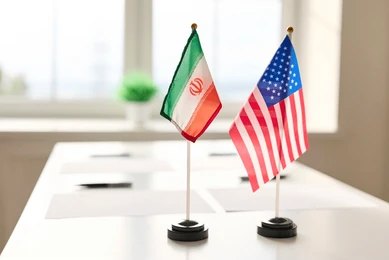
A controversial new U.S.–Iran memorandum promises peace and cheaper oil, but leaves Iran’s nukes and missiles largely untouched for now.
Story Snapshot
- The 14-point U.S.–Iran deal orders an immediate halt to fighting on all fronts, including Lebanon, for at least 60 days.
- In exchange for lifting sanctions and a planned $300 billion reconstruction plan, Iran keeps its current nuclear program and stockpiles during talks.
- The Strait of Hormuz reopens toll‑free for 60 days, easing oil prices but giving Iran room to push for more later.
- Israel, Gulf states, Democrats, and many Republicans blast the deal as rewarding Tehran and risking future American blood.
What The U.S.–Iran Deal Actually Does Right Now
The new memorandum of understanding between the United States and Iran is not a full peace treaty. It is a 14‑point interim deal that extends the ceasefire and sets a 60‑day deadline to try to reach a final agreement on Iran’s nuclear program, sanctions, and frozen assets.[17] The text says all sides will declare a “permanent cessation” of military operations on every front, including Lebanon, while talks continue.[17] For now, that means guns quiet down, but the hard issues are pushed into a short, tense window.
The deal also orders the Strait of Hormuz to reopen to commercial shipping, with the United States beginning to dismantle its naval blockade of Iranian ports.[17] During the interim period, the number of ships allowed into Iranian ports is tied to how much traffic Iran restores in the strait.[17] U.S. officials say no charges will be allowed for ships passing through during this period, which should help push global oil prices down and bring some relief at American gas pumps.[17]
Big Concessions: Sanctions Relief And A $300 Billion Promise
On paper, Iran gets major wins. The memorandum says the United States will end all economic sanctions on Iran, including those based on United Nations Security Council resolutions and separate U.S. actions.[17] It also lays out a plan for a reconstruction and economic development program for Iran worth at least $300 billion, to be worked out with regional allies.[17] The document does not lock in who pays what, which means the money piece is more promise than done deal and will depend on what partners like Gulf states accept.[1]
Supporters argue that lifting sanctions and planning huge investment will pull Iran toward normal trade and away from war.[18] But critics see a familiar pattern. In 2015, the Joint Comprehensive Plan of Action traded nuclear limits for sanctions relief and still ignored Iran’s missiles and terror support.[7] This new framework again offers big economic carrots first, while leaving key limits on Iran’s behavior for later. For conservatives who watched past “historic” deals fall apart, that sounds less like strength and more like déjà vu.
Nuclear Program: A Promise Without Immediate Rollback
The memorandum says Iran will not acquire or develop nuclear weapons and that both sides will deal with Iran’s enriched uranium stockpile in the final deal.[17] At the same time, later sections state the United States and Iran agree to keep the “status quo” of Iran’s nuclear program until that stockpile question is addressed.[17] That means Iran keeps its current enrichment sites and materials during the 60‑day window, with no immediate dismantling like under the older 2015 deal, which forced reactor and centrifuge shutdowns.[7]
Experts note this is weaker than the 2015 agreement, which forced Iran to dismantle key parts of its program and allowed intrusive inspections in exchange for relief.[7] Here, there is only a renewed political promise not to seek nuclear weapons and a pledge to negotiate later over the toughest parts, such as highly enriched uranium and on‑site enrichment.[18] For many on the right, leaving Iran’s nuclear infrastructure running while sanctions come off looks backward. It risks letting Tehran pocket benefits now and stall on disarmament, something Iran has done in past talks.[18]
Missiles, Proxies, And Israel’s Open Rejection
The memorandum focuses on ending direct fighting and on nuclear and economic issues. It does not add new, binding limits on Iran’s ballistic missile forces or its funding of proxy groups like Hezbollah.[1] That gap angers Israel and many Gulf states, who face those missiles and militias up close. Israeli leaders have publicly rejected the Lebanon ceasefire clause, saying Israel is not bound by it and will keep striking threats as needed.[11] They call the deal proof Washington is willing to live with a stronger Iran on their border.
Traffic Flows Through Hormuz as US-Iran Deal Takes Effect
Shipping traffic through the Strait of Hormuz is showing signs of recovery following the U-S-Iran peace deal. Verified crossings reached 25 yesterday, marking a notable increase in daily maritime activity. pic.twitter.com/OdtlAuw6yb
— NTD (@NTD_Live) June 19, 2026
Gulf countries such as the United Arab Emirates and Bahrain are also reported as “deeply disappointed” and worried the deal locks in Iranian influence without fixing security concerns.[18] In Washington, some Senate Republicans say the deal “negotiates away victories” bought by U.S. and Israeli strikes, while others warn the money and relief will “fund terror” and “murder Americans” in future attacks.[14] Democrats, for their part, label the agreement a failure on different grounds, arguing it does not go far enough on disarmament and human rights, showing bipartisan unease.
What This Means For American Conservatives
For many Trump‑supporting conservatives, the core question is simple: does this deal make America safer and stronger, or does it reward a hostile regime that chants “Death to America”? The memorandum likely brings short‑term benefits like lower oil prices and a pause in fighting that protects U.S. troops and allies.[23] But it does so by lifting sanctions first and delaying hard demands on nukes, missiles, and terror proxies, even though those are the tools Iran uses to threaten Israel, target Americans, and bully its neighbors.[18]
Past interim deals with Iran often broke down within a year once it came time to enforce real limits on enrichment and weapon delivery systems.[3] This framework risks repeating that cycle if Iran uses the 60‑day window to gain cash and breathing room while dragging out final talks. Conservatives who value peace through strength will watch closely whether the administration turns this memorandum into a binding final agreement that removes enriched uranium, shuts down nuclear paths, and clamps down on missile and proxy threats—or whether this becomes another “temporary” truce that leaves America and our allies facing a richer, more dangerous Iran.
Sources:
[1] Web – A possible U.S.-Iran deal is drawing very different reactions …
[3] Web – Trump and Iran’s president sign initial deal to end war, open Strait …
[7] Web – President Trump signed the Iran Memorandum of Understanding …
[11] Web – U.S. President Donald Trump signed the Iran Memorandum of …
[14] YouTube – Iran’s Shocking Peace Deal to America — Could This End the War or …
[17] YouTube – US Awaits Iran’s Peace Deal Response | Balance of Power: Early Edition …
[18] Web – The Impact of the US Peace Through Strength Approach on Iran
[23] Web – Walking a Tightrope: Scenarios for Iran–US Confrontation