
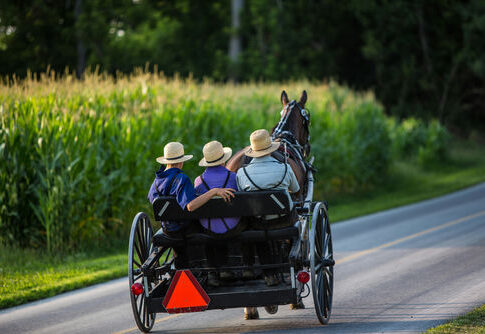
A tourist’s dream ride turned deadly in New York City, and activists are rushing to use it to ban a tradition before the facts are settled.
Story Highlights
- A man died after a horse-drawn carriage reportedly bolted and flipped near a major New York City attraction.
- The incident revives a long fight over horse carriages as the City Council weighs tighter rules or a ban.
- Recent veterinary findings in a separate Central Park case tied a horse death to a toxic Japanese yew shrub, not abuse [2].
- Union leaders say targeted fixes beat blanket bans and want hazards like toxic plants removed from routes [1].
What Happened Near The Tourist Hub
New York City police and emergency crews responded after a horse-drawn carriage reportedly bolted and flipped near a popular tourist site. Witnesses said the carriage overturned during the panic. A man suffered fatal injuries and did not survive. Details about the cause remain under review. Officials have not released a final report on what spooked the horse or whether equipment failed. Without a clear cause, the city’s long fight over carriage safety reignited before investigators finished their work.
The setting matters. Carriage routes run along crowded streets that mix bikes, buses, sirens, and tour groups. Sudden noise or a fast-moving object can startle a horse. City rules aim to reduce risk, but they cannot remove it. Supporters say trained horses and licensed drivers manage these pressures most days without incident. Critics argue dense traffic and hard pavement make danger constant. The truth of this crash will turn on facts that are not yet public.
Why Activists See A Ban, And Drivers See A Fix
Animal-welfare groups push to ban horse-drawn carriages in dense cities. They cite injuries, stress, and rare but shocking crashes. They point to past New York incidents and to cities that phased out carriages. Union leaders for drivers argue the work can be safe with clear rules, strong training, and route control. They say most rides end without harm, and dramatic videos do not show the daily norm. They favor targeted changes over sweeping bans that erase jobs and a historic trade.
The recent Central Park horse death shaped this debate. A Cornell pathologist found abundant Japanese yew in the horse’s mouth and stomach, a plant known to be lethal to horses, and consistent with poisoning symptoms, according to the union’s release [1]. The New York Times reported the same core finding and noted the city Health Department would issue the official cause after a full necropsy [2]. That case suggests some risks come from the environment, not only from carriages.
Policy Stakes For Safety, Freedom, And Common Sense
City lawmakers are again weighing tighter rules or a ban. A ban would end an iconic ride that draws tourists and supports working families. Tighter rules could change routes, add speed limits for bikes near carriages, require calmer zones, or mandate safety gear. A measured fix starts with facts. If noise triggers spooks, adjust traffic. If bad landscaping adds risk, remove toxic plants from carriage paths, as union leaders urged after the Central Park death [1]. Common sense changes beat knee-jerk bans.
The Times report also relayed that the Central Park Conservancy and the drivers’ union blamed each other for the yew case, while stressing that the Health Department will make the final call after the full necropsy [2]. That official step matters. It protects due process, supports good data, and prevents activists from weaponizing headlines. New York should not write laws by viral clip. It should act on verified findings that fix the precise problem exposed by each case.
What A Responsible Path Forward Looks Like
Leaders should order a full incident review of the fatal flip, release findings fast, and tie any rule changes to those facts. They should audit carriage routes for hazards, including toxic plantings, sudden noise zones, and tight turns. They should require simple, proven tools like improved harness checks, wheel inspections, and calm-down protocols when sirens approach. They should increase penalties for rule breakers but protect operators who meet high standards and serve tourists safely.
ALERT: Horse dies in Central Park after eating Japanese yew plant, and the local union is outraged.
Deniz, a 16-year-old gelding horse, died after allegedly eating Japanese yew, a “highly toxic” poisonous plant, according to TWU Local 100, which represents carriage horse… pic.twitter.com/tfifL0WE4Q
— E X X ➠A L E R T S (@ExxAlerts) June 17, 2026
Conservatives should watch for mission creep. A targeted safety bill is one thing. A sweeping ban that kills a legal trade and erases a New York tradition is another. The Central Park yew case showed how quick stories of “abuse” can crumble when science speaks [1][2]. The answer is not to ban first and ask questions later. The answer is to fix what failed, hold people accountable, and defend honest work from ideological crusades.
Sources:
[1] Web – Man killed after horse-drawn carriage bolts and flips near popular New …
[2] Web – Necropsy Finds Toxic Plant Caused Death of Central Park Carriage …